Bariatric (Weight Loss) Surgery

At Even8 Surgery, I offer bariatric surgery through our group practice at Auckland Weight Loss Surgery, part of the wider Auckland Surgical Group.


While I have personally performed over 1,000 bariatric surgeries as a specialist, we have collectively performed over 2,600 successful bariatric operations at AWLS, all performed at Allevia Hospital Ascot.


We offer a range of modern, evidence-based treatments for people struggling with obesity.


These include keyhole (laparoscopic) surgeries, newer medications, and tailored support from our expert multidisciplinary team (MDT).

Our Surgical Options

All our operations are performed via keyhole (minimally invasive) surgery. Here are the three main types we offer:

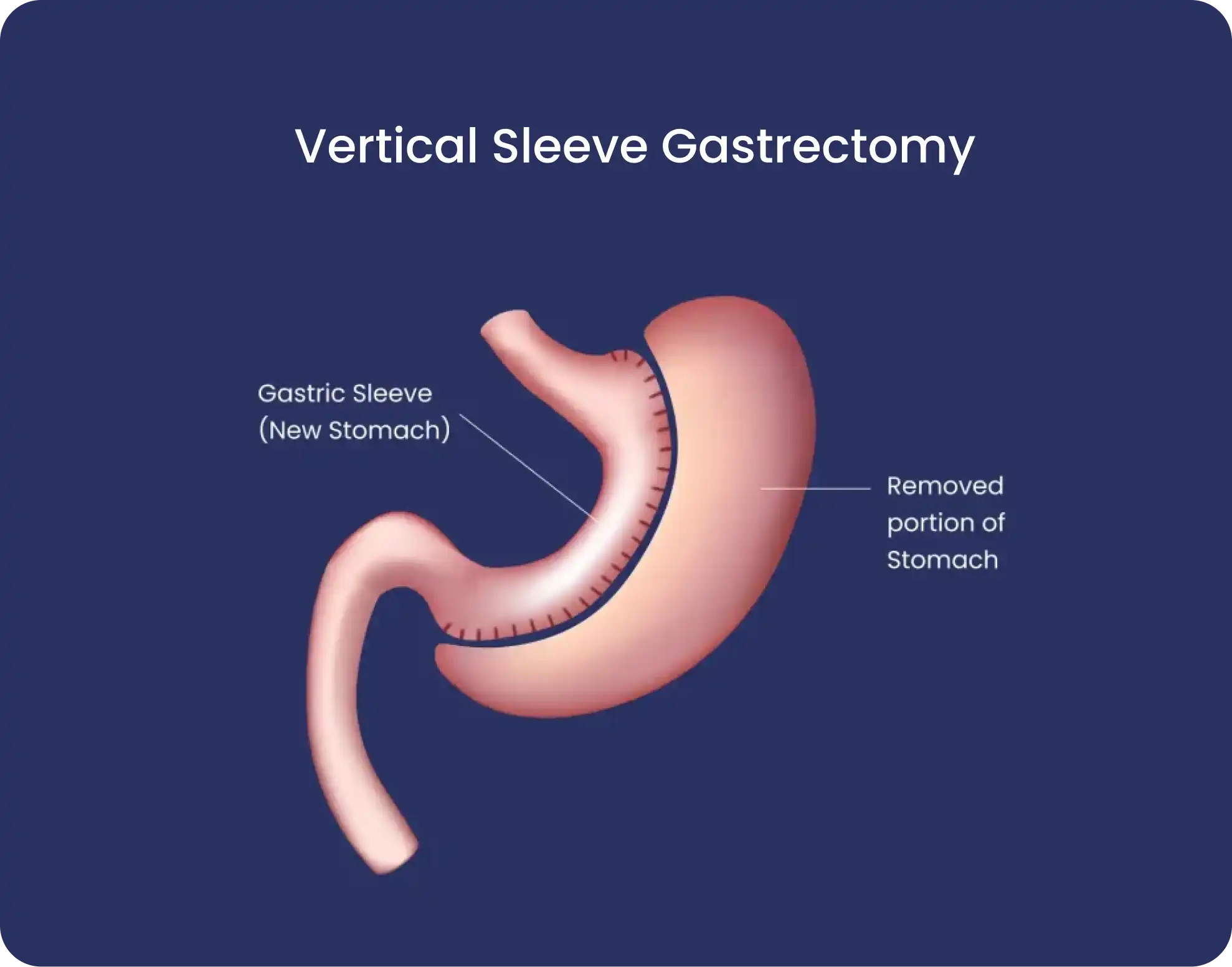
Sleeve Gastrectomy (LSG)

This is the most commonly performed weight loss operation worldwide. We remove about 80% of the stomach, leaving a narrow “sleeve” that holds much less food.


It helps you feel full with smaller portions and also changes some gut hormones that control hunger.

Slightly less weight loss, can cause acid reflux, non-reversible

Simple, effective, and lower risk

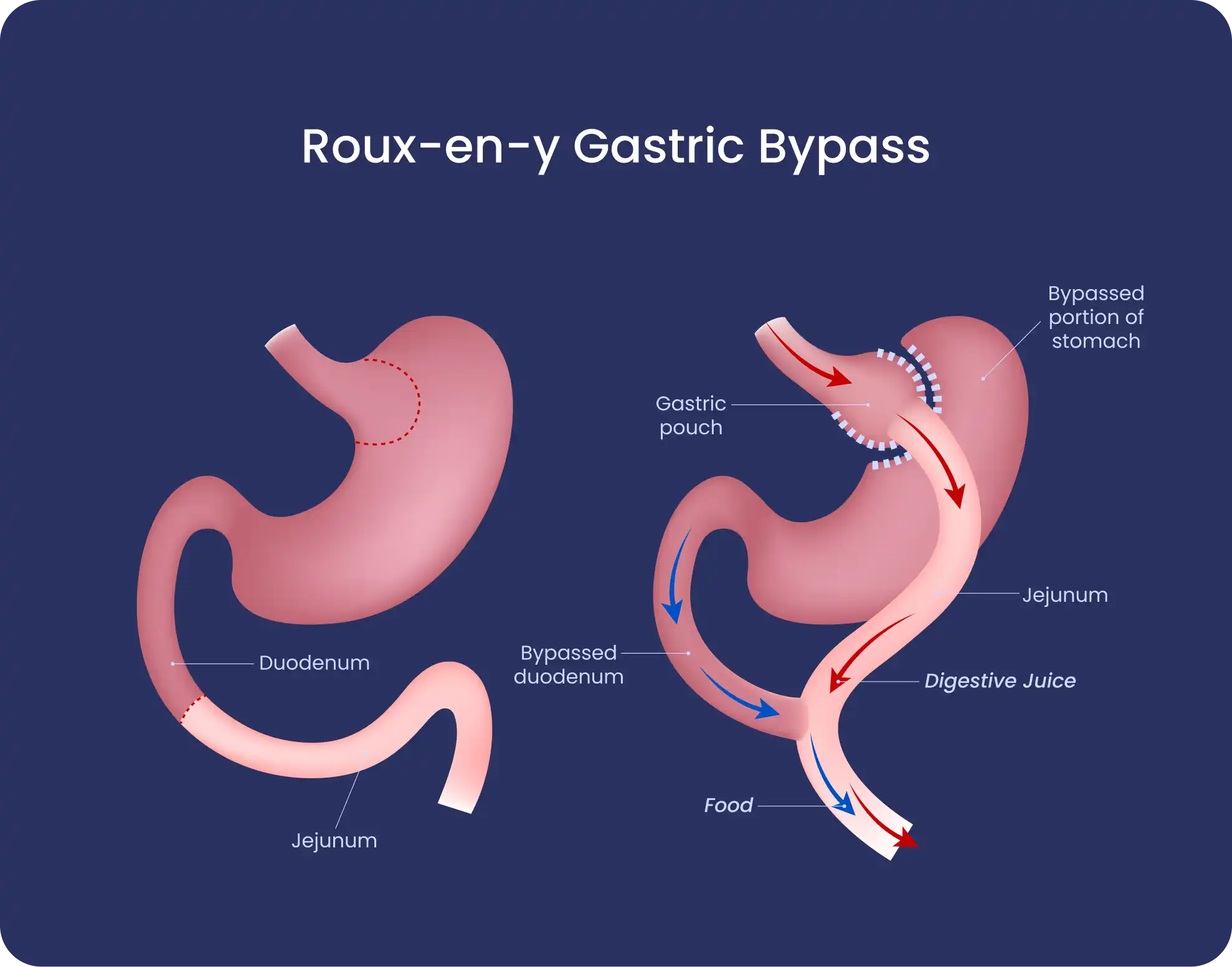
Roux-en-Y Gastric Bypass (RYGB)

This procedure creates a small stomach pouch and reroutes the digestive system to bypass part of the small bowel.


It leads to powerful weight loss and helps with conditions like reflux or type 2 diabetes.

Very effective short and long term weight loss, and metabolic health (eg remission of diabetes).

Excellent choice for those with reflux (GORD)

More complex surgery, slightly higher short- and long-term risks.

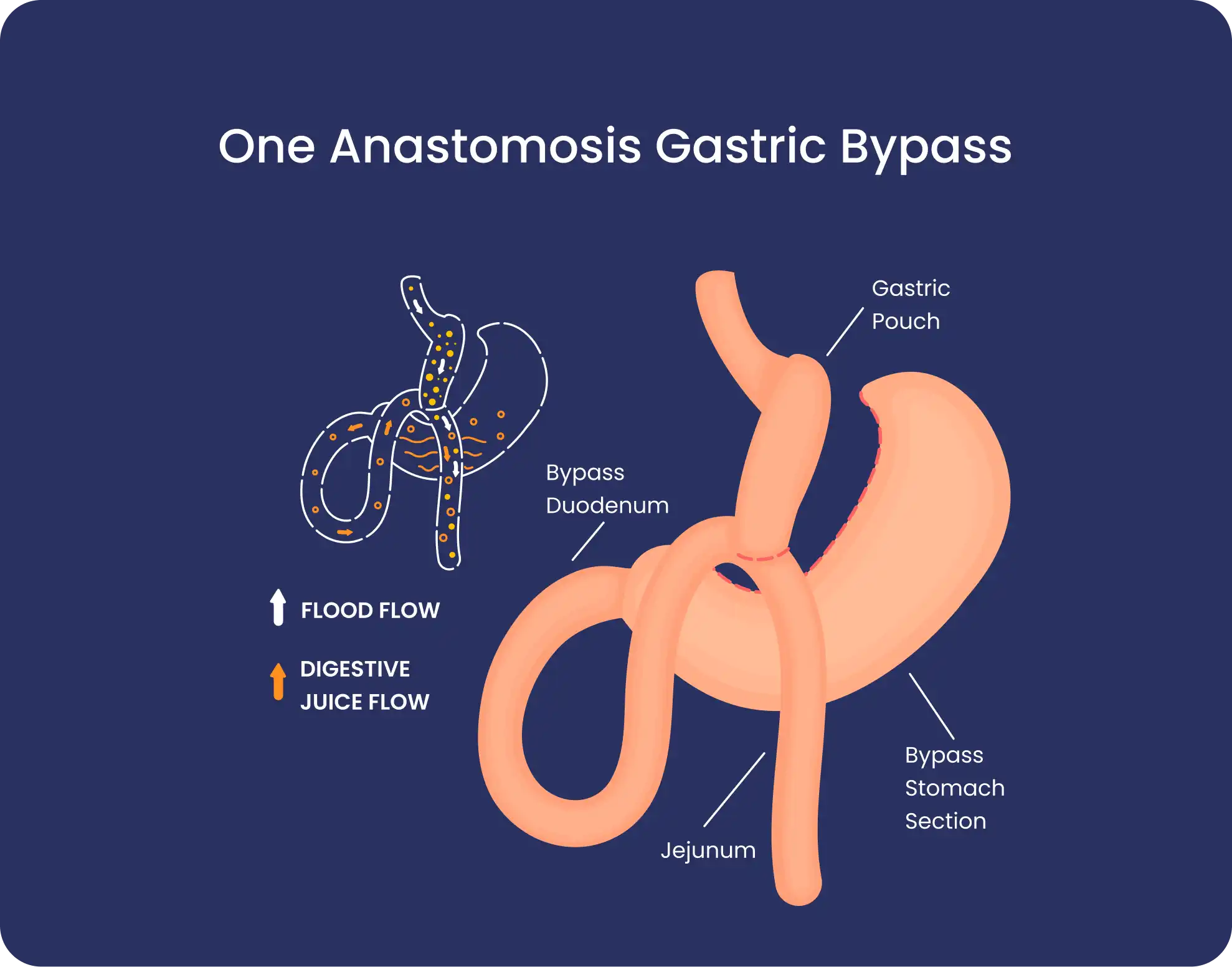
One Anastomosis Gastric Bypass (OAGB)

Also known as “mini bypass,” this is a simplified form of gastric bypass with just one join in the intestine.


It offers similar benefits to RYGB but with a slightly different balance of risks and benefits.

Excellent short and long term weight loss and diabetes control.

Slightly lower risk that RYGB, but can cause bile reflux in a small number of patients.

Revision & Redo Bariatric Surgery

Sometimes, patients who’ve had weight loss surgery in the past may experience:

Weight regain

Ongoing reflux or vomiting

Poor restriction or dumping

Issues with the original procedure (e.g., band slippage, sleeve dilation, bypass complications)

Or they may have had surgery overseas and are unsure what was done

Revision surgery can be complex. It’s not just about re-doing the original operation — it requires careful investigation, planning, and expert surgical judgment.

Common revision pathways:

Sleeve to Bypass

Often for reflux, inadequate weight loss, or complications

Band to Sleeve or Bypass

In patients with failed or removed gastric bands

Bypass revisions

Adjusting limb lengths or converting OAGB to RYGB (or vice versa)

Over-restriction

E.g., tight sleeves or strictures, where less is actually more

Before considering revision, we’ll often arrange:

Swallowing studies (contrast X-ray or endoscopy)

CT or MRI to assess anatomy

Multidisciplinary review with input from dietitian and psychologist

Careful discussion of risks vs benefit

You don’t always need more surgery — sometimes less is more

But when needed, revision surgery can restore function, reduce symptoms, and re-engage weight loss

What About Weight Loss Medications?

You may have heard of newer medications like liragulatide (Saxenda) semaglutide (Ozempic/Wegovy) or tirzepatide (Mounjaro)—and yes, they can be game-changers.
 These drugs work on the same gut hormones that are affected by surgery, and they’re an important part of the modern toolkit.

In some cases, medications might be:

A first step before surgery

A bridge to surgery

To improve weight loss or treat weight regain after surgery

An alternative to surgery altogether

We’ll help you decide what’s right for you—no one-size-fits-all here.

What does it cost

All bariatric surgery is provided through our group practice at Auckland Weight Loss Surgery (AWLS).

Costs are outlined clearly during your consultation and depend on the type of procedure, your individual needs, and the level of support required. Every patient is given a transparent breakdown so you know exactly what to expect before making any decisions.

A Team-Based Approach

All of this is delivered through a Multidisciplinary Team (MDT) approach at Auckland Weight Loss Surgery (AWLS).

You won’t be doing this alone. Our team includes:

Specialist bariatric surgeons

Dietitians

Psychologists

Nurse Practitioner

Patient Journey

Choosing bariatric surgery is a big step, and we’re here to support you through every stage. From your first consultation to long-term follow-up, our team walks with you on the journey to better health.

1

First Consultation

We start by understanding your health history, lifestyle, and goals. This is your chance to ask questions and learn about the surgical and non-surgical options available.

2

Pre-operative Assessment

Our team arranges any necessary tests such as blood work, imaging, or swallowing studies. You’ll also meet with our dietitian and psychologist to prepare for surgery and life after it.

3

Surgical Planning

Every case is discussed by our Multidisciplinary Team (MDT) — including surgeons, anaesthetists, dietitians, and psychologists — to ensure your treatment plan is safe, personalised, and effective.

4

Surgery

Your procedure is performed using minimally invasive (keyhole) techniques at Allevia Hospital Ascot. Most patients are up and moving quickly, with shorter recovery times than traditional open surgery.

5

Recovery

We’ll guide you through the first weeks after surgery, starting with a soft diet and gradually reintroducing normal foods. You’ll have ongoing support to manage symptoms and adapt to new habits.

6

Long-Term Follow-Up

Your journey doesn’t end after surgery. We provide structured follow-up care, regular check-ins, and access to our dietitians and psychologists to help you achieve lasting results.

Allevia Hospital Ascot, Remuera, Auckland

Everyone’s situation is different. We’re here to listen, explain your options clearly, and help you choose the path that’s safest and most effective for you.